
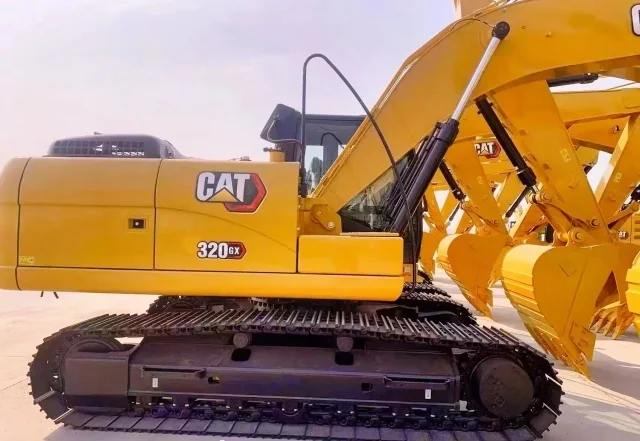
Key points
- First confirm the machine’s identity: model, serial number or nameplate, current location and photo date, and make sure photos, videos and the quotation all refer to the same machine.
- Compare the hour‑meter reading with overall wear and maintenance records; a single number alone does not suffice to judge condition.
- Undercarriage, engine, hydraulics and the working implement have the greatest impact on cost; according to Caterpillar, the undercarriage can amount to 50% of ownership and operating costs.
- Agree in writing the inspection method (video, on‑site or third party), scope and cost after the specific machine is confirmed; do not present an unarranged inspection as completed.
Identify the unit first
Two used excavators of the same model can differ completely in year, usage intensity and maintenance. Before comparing prices, ask for the unit’s identification details and confirm that all following photos, videos and quotations refer to that same machine.
- Nameplate photo: model and product identification number (serial number) clearly legible.
- Current photos of the machine from all four sides, with the date and its location shown.
- Photo of the hour‑meter or display reading.
- A single continuous video showing cold start, travel, swing and the movements of boom, arm and bucket.
A simple practice is to ask the seller to place a sheet with today’s date next to the nameplate and photograph them together to confirm the images are recent. Representative model photos on the website illustrate appearance and configuration; they do not prove the condition or availability of any specific unit.
Compare hours, wear and records
The hour meter reading is an important reference but not the only one. The gauge may have been replaced and the number may not reflect actual use. A more reliable approach is to cross-check the reading with overall wear and maintenance records: the seat, pedals, control lever grips, pin-and-bushing clearances, and wear on bucket teeth and the bucket should be roughly consistent with the reported hours.
| Aspect | What to look for | When to ask for more explanation |
|---|---|---|
| Hour meter | Clear photo that matches the listing | Low hours, but obvious machine wear |
| Cab | Wear on seat, pedals and control grips | Interior looks very new while exterior is heavily worn |
| Attachment | Play between pins and bushings; bucket and tooth wear | Weld or repair marks on boom or stick |
| Maintenance | Records, repair invoices, oil analysis | No records available |
If the machine has maintenance records, repair invoices or oil analysis reports, request them. They help you assess past usage intensity and maintenance habits.
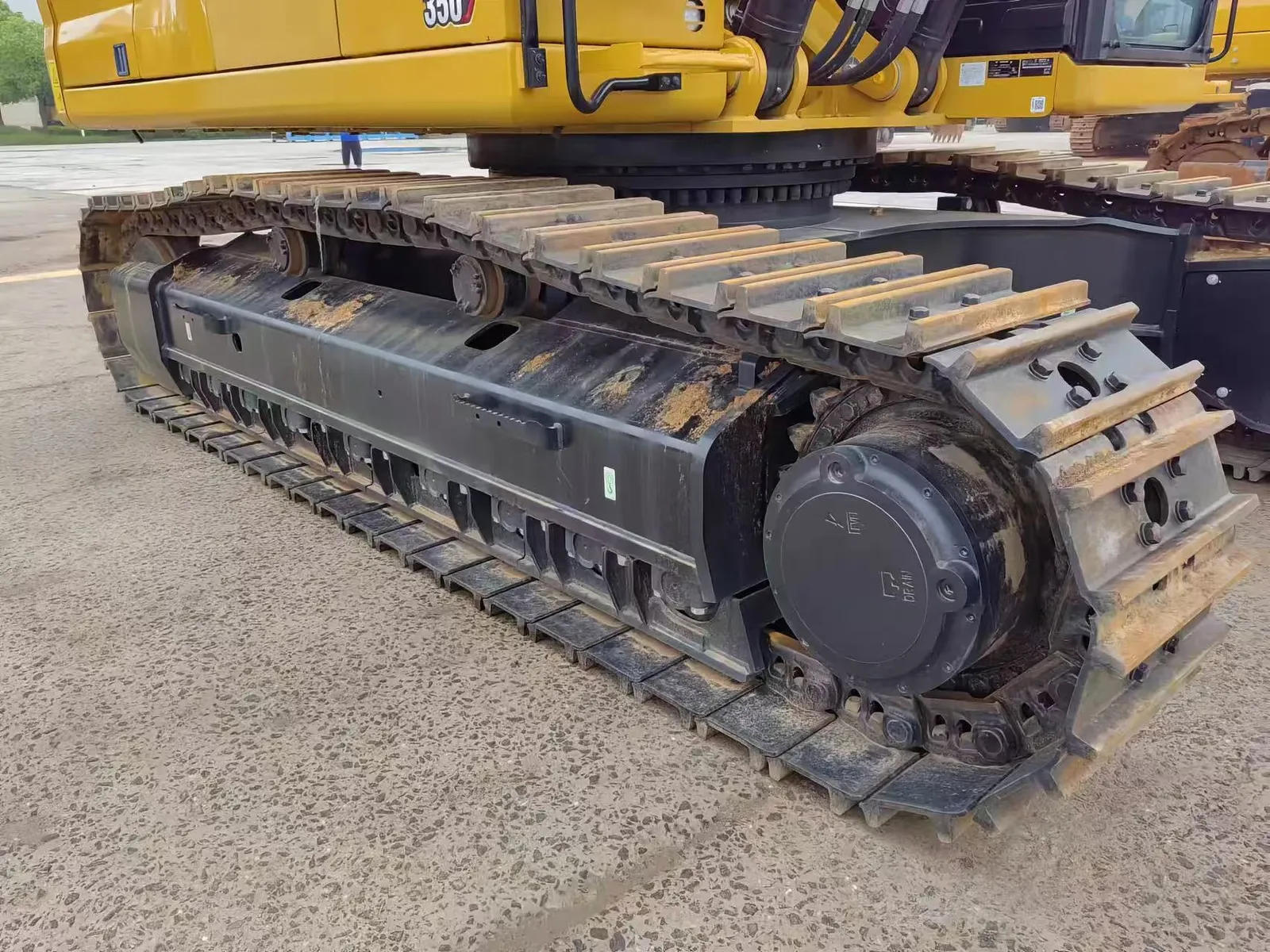
Undercarriage: the cost most often underestimated
Caterpillar notes in its undercarriage maintenance information that the track undercarriage can reach 50% of ownership and operating costs and, if poorly managed, may exceed half of maintenance costs. For that reason, evaluate the undercarriage of a used tracked excavator separately rather than judging the whole machine only by appearance.
- Wear on track links, shoes and pin‑bush assemblies, and track tension.
- Oil leaks or uneven wear on carrier rollers, track rollers and idlers.
- Check whether the drive sprocket teeth are becoming pointed and whether the travel motor or final drive are leaking.
- Check if wear is similar on both sides; if it is noticeably different, ask for the reason.
Engine, hydraulics and implement
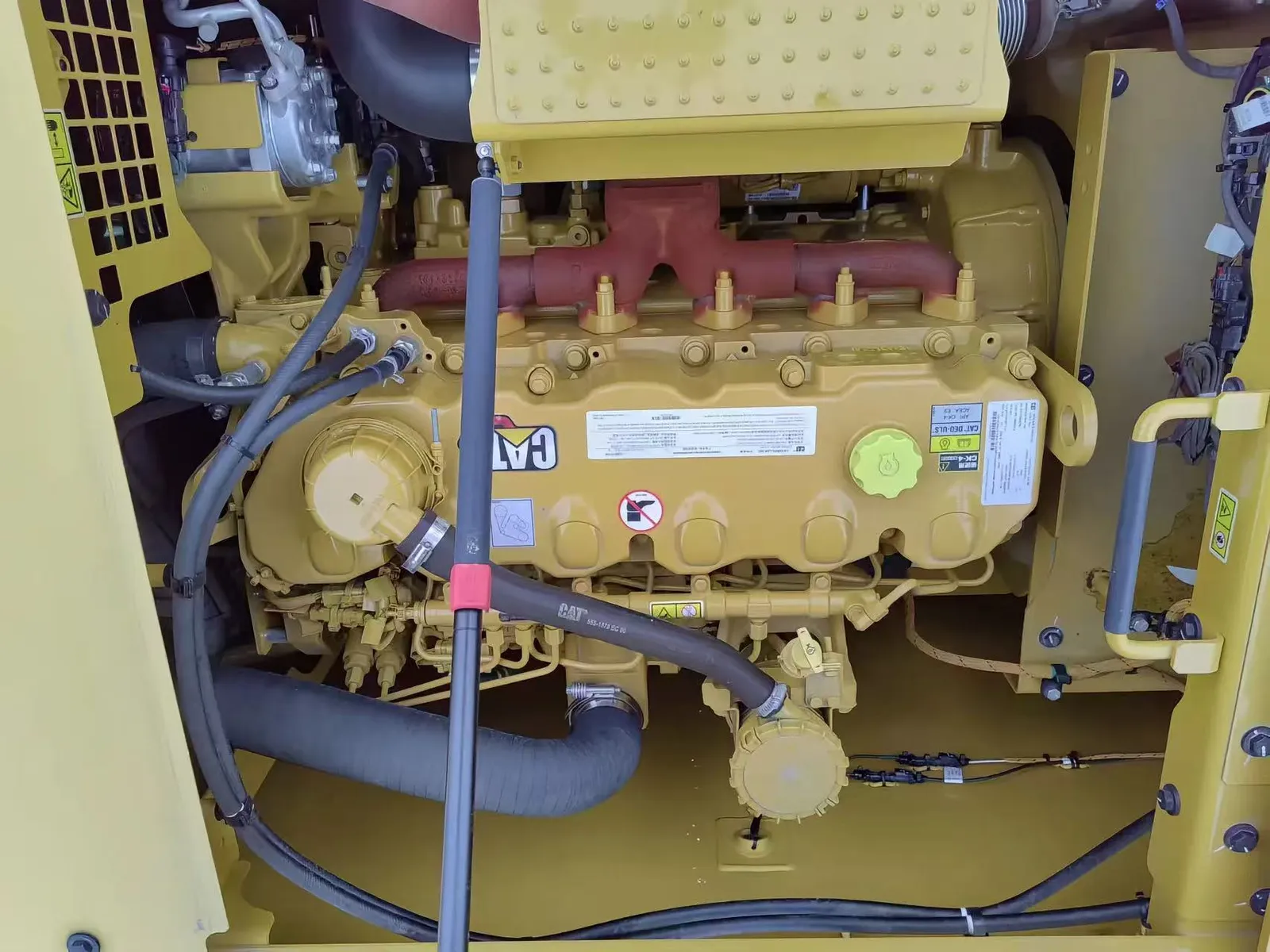
For the engine, check cold-start behavior, smoke color, unusual noises and leaks. For the hydraulic system, inspect the main pump, control valve, cylinders and hoses for leaks, verify movement speeds, and note any loss of power under load. For the working equipment, examine boom, arm and bucket structural parts for cracks or weld repairs, and check the swing bearing for abnormal play or noise during operation.
For remote assessment, video is more useful than photos. Ask the seller to show in one continuous recording cold start, idle, travel, swing and digging motions, and to film the engine compartment and the main pump area.
- Engine: cold start, smoke, unusual noises, condition of engine oil and coolant.
- Hydraulics: leaks in the main pump and hoses, operating speed, and whether the boom sinks under load.
- Structure: cracks or weld repairs on boom and arm, and swing bearing play.
- Electrical: instrument panel alarms, fault codes, lights and air conditioning.
Agree the inspection method, then price and terms
Once the specific unit is confirmed, you may choose a video inspection, an on-site visit, or to hire a third-party inspection. Location, date, scope and cost must be agreed beforehand, and the inspection report should record the inspected machine’s serial number. An inspection that was not scheduled must not be described as performed.
The website’s reference FOB amount does not replace a quotation for a specific unit. Ask that the written quote state the machine and its serial number, a description of condition, what the price includes, the Incoterm and loading port, the quote validity period, and payment and delivery terms. Before paying, verify the beneficiary bank account by an independent, known channel and be wary of any email that changes payment details during the transaction.
ImportantSome countries apply additional requirements or costs to used equipment. For example, Chilean Customs states that when used goods are authorized for import, they pay a surcharge equivalent to 50% of ad valorem duties, with exceptions in Rule 3 of the Customs Tariff; in Peru, the IGV perception for imported used goods is 5%. Before ordering, confirm with the destination customs authority or your customs broker whether import is allowed, which permits are required, and how duties and taxes are calculated.
Frequently Asked Questions
Are the used machine photos on the website of the unit for sale?
Not necessarily. Website photos are representative model images to show model and configuration. The actual unit available will be sourced to your request, and the current photos, videos and nameplate data of that specific machine take precedence.
Do low hours mean the machine is in good condition?
Not necessarily. Hours should be evaluated together with overall wear and maintenance records. If the hour reading is low but wear is evident, ask for an explanation or arrange an inspection.
Can I arrange a third-party inspection?
Yes. Location, date, scope and cost are agreed once the specific unit is defined, and the report should state the machine’s serial number.
What should I confirm before importing a used machine?
Regulations vary by country. Before placing an order, confirm with the destination country’s customs authority or a local customs broker whether import is allowed, what permits are required, and how duties and other taxes are calculated.
Sources consulted
- Caterpillar: undercarriage maintenance and costs (in English)Caterpillar
- Customs Service of Chile: What taxes do I pay when importing? (in Spanish)Servicio Nacional de Aduanas
- Government of Peru: Understanding import taxes and duties (in Spanish)gob.pe · SUNAT
External sources explain general rules; specific taxes, permits and contractual conditions depend on the destination country authority and the written contract.
With the target model and destination port, the next step is to verify the specific equipment and the quotation.
Submit your purchase request ↗Back to the purchasing guide ↗