
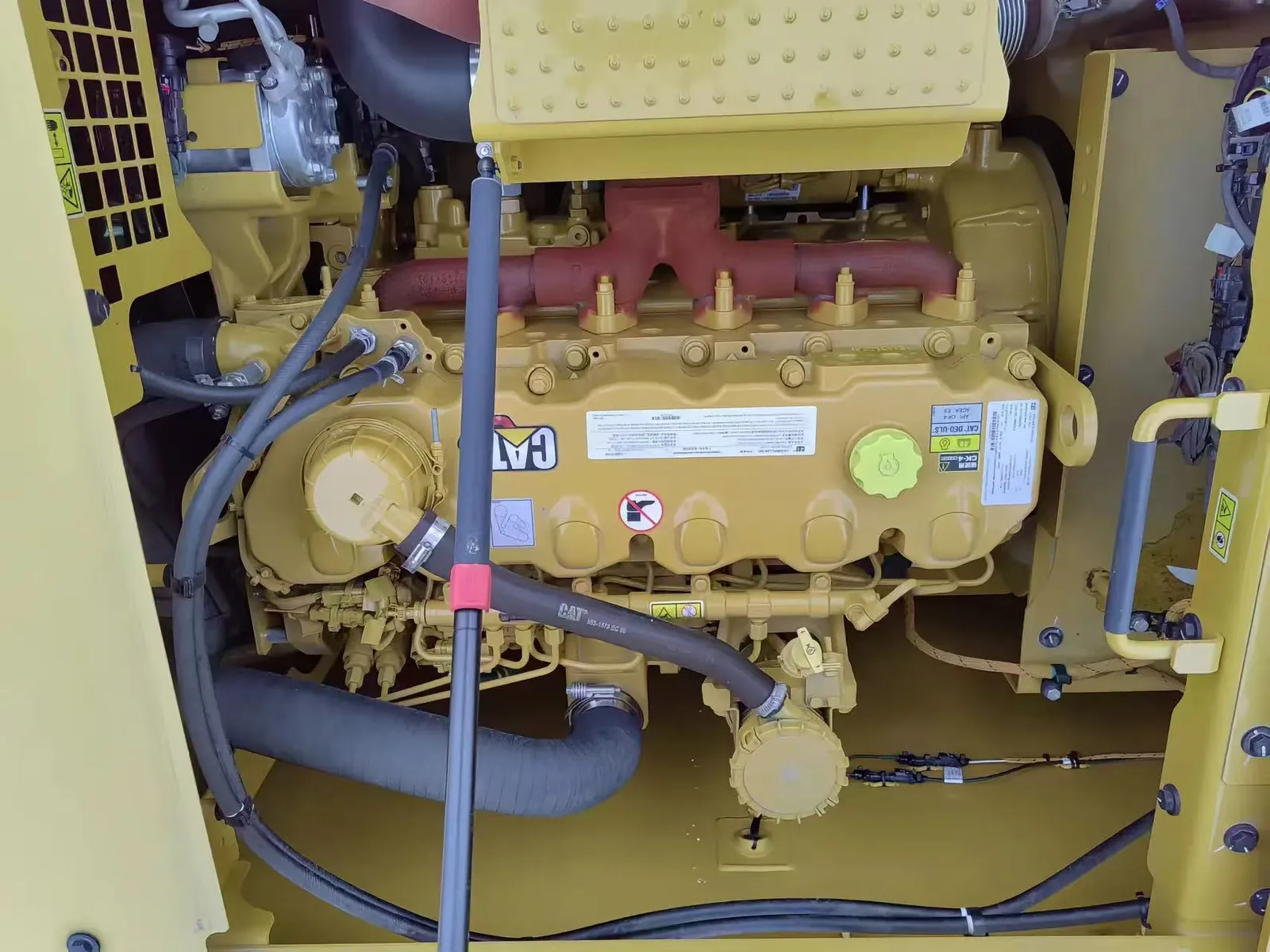
Key points
- Refurbishing focuses on cleaning, painting and replacing visible damaged parts to restore appearance and basic function, with no single standard. Under Chinese standard GB/T 28619-2024, remanufacturing must restore a product’s function, quality characteristics, safety, environmental performance and economics to the level of—or better than—the original new product.
- The difference is hidden: remanufacturing disassembles and inspects the engine, hydraulic pumps, control valves, hydraulic motors, cylinders and undercarriage, repairs or replaces parts beyond wear limits and performs full-machine testing. From photos and exterior inspection it is hard to tell a refurbished machine from a remanufactured one.
- Remanufactured machines sell for more because new parts, disassembly/inspection labor and testing are paid before leaving the factory; in return you get fewer unplanned repairs after arrival. On Latin American sites where parts must be imported, technicians are scarce and downtime is costly, those operational savings can exceed the purchase price difference.
- To verify remanufacture, request in writing for that specific unit: the disassembly and inspection report, the list of replaced parts, the full-machine test records and the warranty terms. A remanufactured machine is not new: declare its actual manufacture year and remanufactured condition at import, and in some countries, such as Colombia, prior import permits are required.
Repair, refurbish and remanufacture: three different terms
Repair fixes the failed component so the machine works again. Refurbishing (also called reconditioning) goes further: the whole machine is cleaned, repainted and visibly worn parts are replaced—hoses, seals, seat, glass, bucket teeth and some undercarriage parts—so the machine looks near-new and can operate normally. How far refurbishing goes is decided by the seller; there is no single standard, and work called “refurbish” can vary widely.
Remanufacturing is an industrial process defined by standards. China’s current national terminology standard GB/T 28619-2024 defines remanufacturing as the specialized repair and/or upgrade of products that are no longer in use due to loss of function or technical obsolescence, restoring their function, quality characteristics, safety, environmental performance and economy to the level of, or better than, the original new product. For mechanical products there is also the national standard GB/T 28618-2012, General Technical Requirements for Mechanical Product Remanufacturing. In the US, the RIC001 standard from the Remanufacturing Industries Council (RIC), approved by ANSI, likewise defines remanufacturing as a “comprehensive and rigorous industrial process” and distinguishes it from other practices.
OEMs also distinguish these terms. Caterpillar says its remanufactured products (Cat Reman) are neither rebuilt parts nor refurbished parts, but are restored to the same condition as new and carry the same 12-month parts warranty as a new part (varies by model and application). Its Cat Certified Rebuild for complete machines includes more than 350 tests and inspections, the automatic replacement of about 7,000 parts, and a machine-level warranty similar to that of a new machine. These are Caterpillar’s own programs; we cite them to show the scale of work implied by “remanufacturing” in the industry.
Comparison table: as-is used, refurbished and remanufactured
| Aspect | Used as-is | Refurbished | Remanufactured |
|---|---|---|---|
| Scope of work | No intervention or only routine maintenance; sold in its current condition | Cleaning, painting, repairing leaks and replacing visibly worn parts | Complete disassembly to components, with cleaning and inspection of each part |
| Wear parts | Kept as-is | Only clearly damaged parts are replaced; engine and hydraulic pump internals are normally not opened | Parts beyond wear limits are repaired or replaced; seals, bearings and other consumables are replaced according to procedure |
| Inspection and testing | As agreed between buyer and seller; video inspection or third-party inspection can be arranged | Normally a functional test and visual inspection | Parts inspection plus full-machine test, with written record |
| Quality objective | Depends on the unit's actual condition. | Restore appearance and basic functions | Meet or exceed the original new-product level per the standard |
| Warranty | Usually none, or as agreed in the contract | Usually none, or short-term | Written warranty terms; scope and period as agreed in the contract |
| Price | Lowest | Higher than as-is used | Highest; normally below the same-model new machine |
| Maintenance after delivery | Depends on machine condition; may require major repairs. | Good appearance, but untreated internal wear may show up after you start operating it. | Mainly routine maintenance; fewer unplanned repairs. |
ImportantThe table compares common practices, not a fixed standard. Under the labels “refurbished” or “remanufactured,” sellers may do very different work; rely on the written record for that specific machine.
What refurbishment includes — and what it doesn’t
Refurbishment focuses on making the machine look good and run. Common work includes high-pressure cleaning, sanding and repainting, replacing decals, fixing obvious oil leaks, and replacing damaged hoses, seats, glass and bucket teeth; if needed, a few track links or carrier rollers are changed. A well-done refurbishment can leave the machine in good working condition at a reasonable price.
The risk is what you can’t see. Piston rings, cylinder liners and bearings in the engine; the pistons and valve plate in hydraulic pumps and motors; valve spools in control valves; and bearings and gears in the swing bearing and final drives can be worn without showing in a short test. Fresh paint won’t reveal how long the machine was used. In an interview published in October 2026 by Hubei Daily, a researcher from Wuhan University of Technology warned that some sellers present simple repairs or refurbishment as remanufacturing.
- Common signs: after starting work you may see gradually rising hydraulic oil temperature, slower movements, engine blow-by or oil consumption, unusual noises from the final drives, and accelerated undercarriage wear.
- Cause: refurbishment repaired parts that had already failed but did not address parts near their wear limits.
- Suitable for: buyers who have a workshop and parts access, limited annual operating hours, and projects that can tolerate downtime.
What remanufacture includes
Remanufacturing begins with disassembly: the machine is broken into assemblies and assemblies into parts; each part is cleaned and inspected, fit dimensions and wear measured, and checked for cracks and deformation. You then determine which parts can be reused, which need repair, and which must be replaced. Parts beyond limits are repaired or replaced; wear items such as seals, bearings and filters are replaced per procedure. After reassembly the complete machine is tested to the same criteria as a new machine. Remanufacture of an excavator typically includes the following areas:
- Engine: disassembly and inspection of block, cylinder head, crankshaft, piston-and-rod assemblies and fuel injection system; replacement of piston rings, bearings, gaskets and other parts beyond limits; load testing after reassembly.
- Hydraulic system: disassembly and inspection of the main pump, main control valve, travel motor and swing motor; measurement of wear on pistons, valve plate and spools; replacement of seals; pressure and flow testing of the system.
- Cylinders and working attachments: replacement of cylinder seals and inspection of piston-rod chrome; inspection of boom and arm welds and cracks; replacement of pins and bushings according to wear.
- Undercarriage and swing: measurement of chain pitch and wear on carrier rollers and idler wheels; inspection of swing bearing clearance and final drives; repair or replacement according to remaining life.
- Electrical and cab: inspection of harnesses, sensors and controllers; fault-code clearing; restoration of gauges and air-conditioning function.
- Complete-machine testing: engine, hydraulics, travel, swing and all movements tested under load, with pressures, temperatures and cycle times recorded; written test records and test video retained.
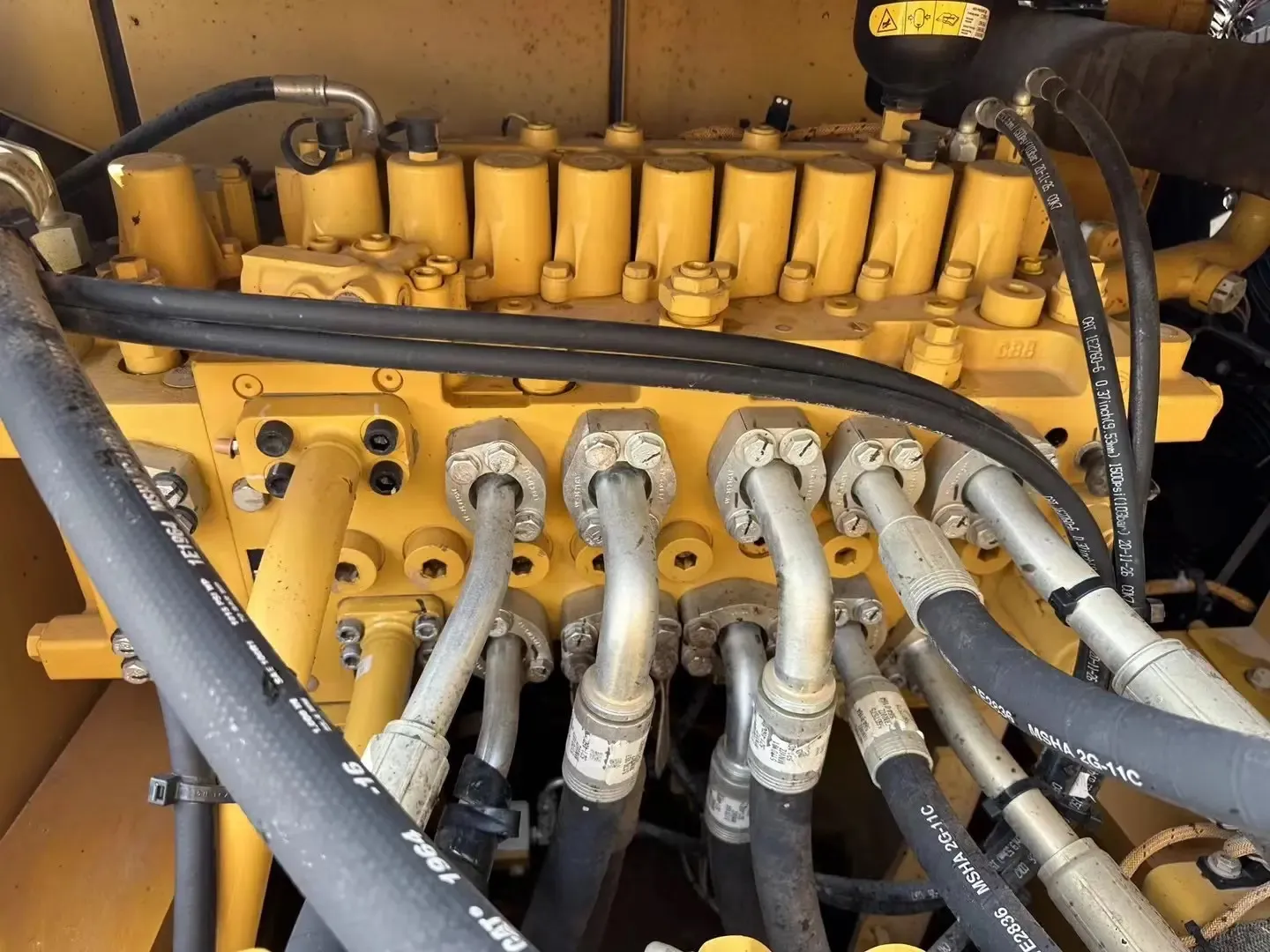
These procedures require new parts, skilled technicians, special tools and time; therefore the cost and price of a remanufactured machine are clearly higher than for a refurbished one. By the national standard definition, remanufacture is judged by whether the result reaches the level of the original new product, not by whether the machine has fresh paint.
Why remanufactured machines cost more but can be cheaper locally
For a Latin American buyer, the true cost of a machine is more than the purchase price: freight, import taxes, and the cost of repairs, maintenance and downtime during the first year or two after arrival. Parts for some models must be ordered from abroad — air freight is expensive and sea freight is slow; experienced hydraulic or engine technicians must be brought from the city to the site; and every day a machine is idle costs you schedule delays, rental or labor. Replacing a seal or bearing in China before shipment is inexpensive; the same failure on a remote site — adding parts, transport, technician and downtime — usually costs far more.
Remanufacturing brings those costs forward to before shipment: worn parts are replaced in China, where parts and labor cost less, and problems are found and fixed during testing. After the machine arrives, routine maintenance — oil, filters and consumables on schedule — is the main work, with fewer unplanned repairs and a more predictable maintenance budget. That is why YUYAN remanufactured machines have a higher sale price yet can reduce your post-arrival maintenance costs.
| Cost item | Refurbished | Remanufactured |
|---|---|---|
| Purchase price | Lower | Higher |
| Freight and import taxes | Duties and taxes are usually calculated on the goods' value; relatively lower | Duties and taxes are usually calculated on the goods' value; relatively higher |
| Unplanned repairs after delivery | Uncertain; depend on unaddressed internal wear | Fewer; major wear parts were repaired or replaced before shipment |
| Spare parts and technicians | Often you must obtain spare parts and technicians locally on short notice; cost and timing are hard to predict | Mainly routine maintenance parts; you can order common filters and seals with the machine |
| Downtime risk | Higher | Lower |
| Warranty | Usually none or short-term | As agreed in writing in the contract |
When comparing quotes, add “purchase price + freight and import taxes + estimated first-year repair costs + downtime losses” to get the total. For buyers with long operating hours, remote sites, deadlines that depend on the machine, or rental operations, remanufactured machines are usually more cost-effective; if you have your own workshop, reliable parts access, and low annual operating hours, a refurbished machine—or a used machine as-is with a third-party inspection—can also be a reasonable choice.
How to verify a seller’s claim that a machine is remanufactured
Anyone can write “remanufactured” on a quote. The way to verify it is to request written evidence, and it must refer to the specific machine you will buy:
- Unit identity: model, machine serial number, engine number, year of manufacture, and the hour-meter reading before remanufacturing.
- Disassembly and inspection report: results for the engine, main pump, main control valve, travel and swing motors, cylinders and undercarriage, specifying what was repaired and what was replaced.
- List of replaced parts: name, part number and origin (original or other brand) for each replaced part, consistent with the inspection report.
- Process photos or videos: disassembled parts, measurements and replacements, and condition after reassembly.
- Complete-machine test records: engine load, hydraulic pressure and flow, travel and swing test data, and the test video.
- Warranty terms: scope (whole machine or major assemblies), duration or hours, which items are normal wear parts, and what documents are required for a claim—all in the contract.
- Inspection arrangements: you may request video inspection, on-site inspection, or commission a third party to inspect before shipment.
ImportantIf there is only new paint, new decals and a test-run video but no disassembly report or list of replaced parts, it is safer to treat the machine as refurbished.
Importing remanufactured machines: declare the true condition and check permits in advance
A remanufactured machine is not new. Its year of manufacture does not change because of remanufacturing; for import you must declare the actual year and condition, and the commercial invoice and packing list must state it is remanufactured. Declaring it as new can prompt customs questions at inspection, with possible fines and delays.
Each country regulates used and remanufactured equipment differently. In Colombia, for example, Decree 925 of 2013 lists used, repaired, rebuilt, refurbished and remanufactured goods as “products in special market conditions,” subject to a prior‑licensing regime; the application must state the year of manufacture and the condition of the goods, and the authority may require functional testing, proof of remaining service life or other documents. Remanufactured goods imported under an applicable trade agreement may be exempt from the license if the agreement so provides. Other countries may impose age limits, emissions or inspection requirements.
Before ordering, ask your local customs broker to confirm, by the equipment’s tariff code, the license, age limit and taxes that apply. We prepare the commercial invoice, packing list and equipment description according to the actual condition, and can provide disassembly and test records as supporting documents. If you need delivery to site, you can choose our DDP one‑stop service: shipment CIF to the destination port with a local customs broker to handle import declaration and final delivery, coordinated by us. Release and tax amounts depend on the destination country’s customs rules and determinations.
ImportantPublic rules checked by this site in 11/2026; the destination country’s current regulations and the actual condition of each machine prevail.
YUYAN remanufactured machines: who they suit and how to request a quote
YUYAN offers both used machinery sold as-is and remanufactured machines, and we can quote either option. Remanufactured machines cost more than typical used or refurbished units, but they require fewer repairs and less downtime after arrival. They suit buyers with heavy annual hours, remote projects, limited access to spare parts and technicians, or contracts and rentals that depend on reliable, on-time performance.
- When requesting a quote, tell us the model and tonnage, intended use and estimated operating hours per year, destination country and delivery method.
- We quote each specific machine, listing the remanufacture scope, major replaced parts and tests performed; warranty scope and term are confirmed in writing in the quotation and contract. Quotes are for reference and are not final prices.
- If purchase price is your priority, we also offer used machinery sold as-is, and we can arrange video inspection, on-site inspection or a third-party inspection as agreed so you can assess condition before deciding.
Frequently Asked Questions
What is the main difference between a refurbished machine and a remanufactured machine?
Depth of work and quality objectives differ. Refurbishment mainly restores appearance and basic function, with the scope set by the seller. Remanufacture disassembles to component level, repairs or replaces parts beyond limits, and performs full-machine testing to meet or exceed the original new-product standard, with written records and warranty.
Is a remanufactured machine a new machine?
No. It retains its original year of manufacture and must be declared on import with its actual year and remanufactured condition. Its goal is to achieve new-product performance and quality, and its price is generally lower than the same model new machine.
Why does a remanufactured machine cost more than a refurbished one?
Because new parts, disassembly and inspection labor, testing and documentation are completed before shipment. The extra cost buys fewer unplanned repairs and less downtime after delivery; where parts and technician costs are high, those savings can exceed the purchase-price difference.
How do YUYAN remanufactured machines reduce maintenance costs?
Mainly by reducing unplanned repairs after arrival: worn seals, bearings, internal parts of pumps and motors, and worn undercarriage parts are repaired or replaced before shipment. After arrival you mainly need routine maintenance, with fewer urgent parts orders, technician call-outs and downtime, and a maintenance budget that is easier to predict. Actual results depend on the model, working conditions and maintenance history.
How can I confirm the seller’s claim that a machine is remanufactured?
Request the disassembly and inspection report for that specific unit, the list of replaced parts with part numbers, photos or video of the process, the full-machine test records and written warranty terms. If the seller only provides fresh paint and a run-test video, it is safer to treat the unit as refurbished rather than fully remanufactured.
Do I need a license to import remanufactured machinery?
It depends on the destination country. For example, in Colombia remanufactured goods are classified as a “product under special market conditions” and generally require a prior import license, except when imported under a trade agreement that specifically exempts them. Before ordering, ask your local customs agent to confirm based on the tariff subheading.
Is it still worth buying used machinery as-is?
Yes, provided you understand the unit’s condition, the price is fair and you have workshop capacity and parts access. Before buying, arrange an inspection by video, on-site or via a third party, and record operating hours and the condition of key components in the contract.
Sources consulted
- National Standards Information Public Service Platform: GB/T 28619-2024 “Remanufacturing — Terminology”State Administration for Market Regulation / Standardization Administration of China
- National Standards Information Public Service Platform: GB/T 28618-2012 “General technical requirements for remanufacture of mechanical products” (in Chinese)State Administration for Market Regulation / Standardization Administration of China
- Hubei Daily: industrial remanufacture is not the same as refurbishment (in Chinese)Hubei Daily
- RIT: remanufacturing standard RIC001 and unified industry terminology (in English)RIT Center for Innovation in Manufacturing and Sustainability
- Caterpillar: difference between Cat Reman, rebuild and refurbishment (in English)Caterpillar
- Caterpillar: remanufacture programs and certified rebuilds (in English)Caterpillar
- Rematec: difference between remanufacture and refurbishment (in English)Rematec
- DIAN: Decreto 925 de 2013, import registrations and licenses (in Spanish)DIAN
External sources explain general rules; specific taxes, permits and contractual conditions depend on the destination country authority and the written contract.
With the target model and destination port, the next step is to verify the specific equipment and the quotation.
Submit your purchase request ↗Back to the purchasing guide ↗